
Alumna Profile: Hadeel Assali
This profile is part of a series, published by the ECJaC Project, highlighting Columbia alumni making an impact in the environmental justice space.
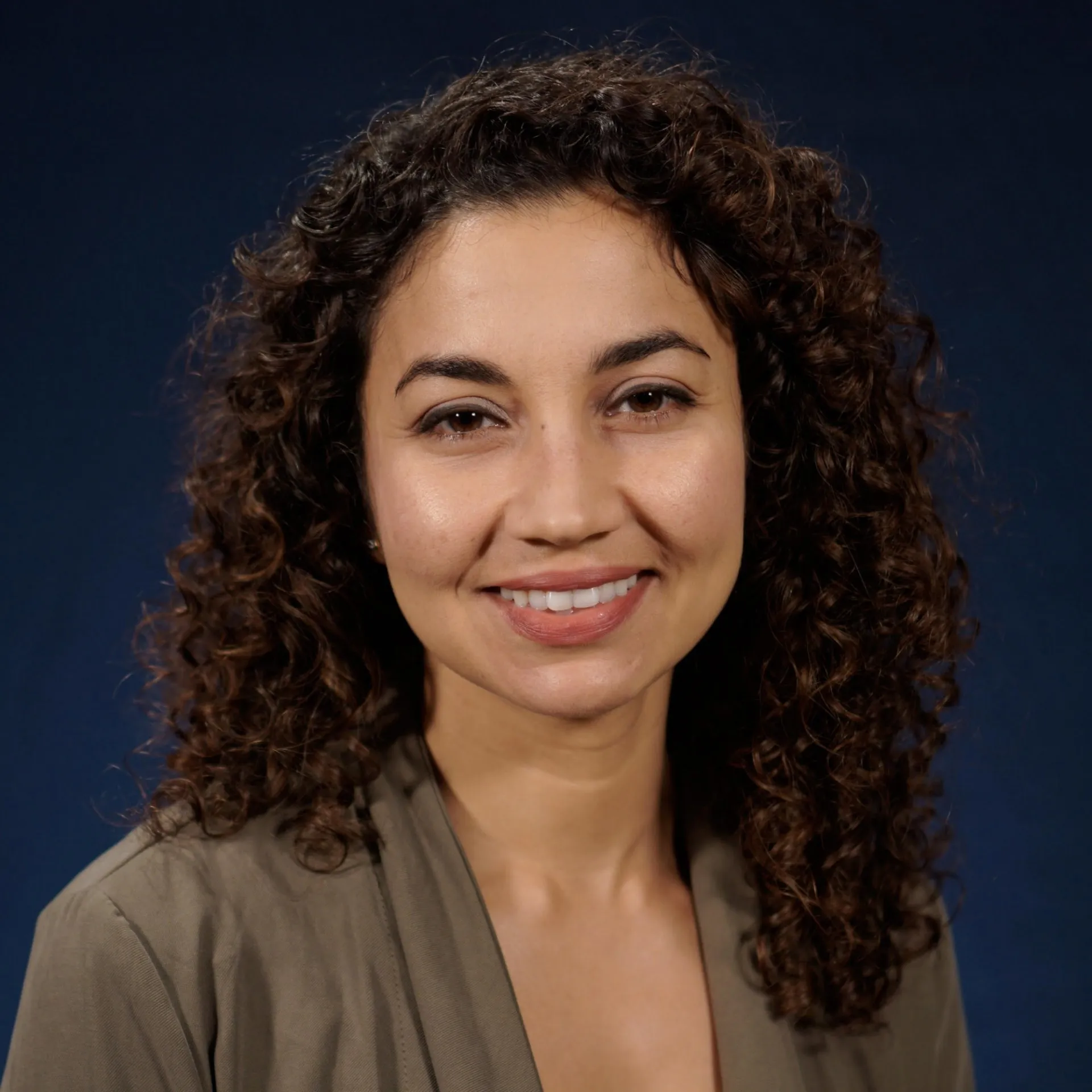
For many, the path to academia follows a well-traversed path. For Hadeel Assali ’21GSAS, it was a journey of radical transformation and a conscious effort to, in her own words, “balance out my karma”. A former chemical engineer for ExxonMobil, Dr. Assali is now a Postdoctoral Research Scholar at Columbia’s Center for Science and Society and a Lecturer in the Department of Earth and Environmental Sciences, where she is challenging the colonial foundations of her field and empowering a new generation of scientists to think critically about their work.
Assali began her career as a chemical engineer after training at the University of Illinois in Urbana-Champaign and the National University of Singapore. Then, Assali started working for ExxonMobil in Houston, Texas. “I was a chemical engineer... I learned what I didn’t learn in school, about what oil extraction actually does,” she said. This firsthand look at the consequences of extraction sparked a profound shift. Hadeel founded the Houston Palestine Film Festival in 2007, an organization still thriving today, as a first step on a new path. This experience ignited a desire for a different kind of education rooted in “critical thinking skills that I didn’t get in public schools or in engineering.” That search led her to Columbia, where she earned a Ph.D. in Anthropology in 2021.
Now at Columbia, Assali is focusing on dismantling the colonial legacies within the geosciences, which she argues often view the earth as an “inert object ripe for exploitation” that divorces the earth from the social worlds in relation to it. Her “Science Underground: Decolonial Methods” seminar trains students to “ethically engage” with affected communities and center indigenous knowledge and practices while examining the roots of our own disciplinary practices, many of which are steeped in colonial paradigms.
What does it mean to approach modern science with a decolonial lens? For Assali, the answer lies in action and respectful community partnership. Assali leads an ongoing collaboration with The Black School, a New Orleans-based organization confronting lead contamination on their land—a direct consequence of a long legacy of environmental racism.
This commitment to community-engaged scholarship extends far beyond her teaching. Assali has fostered strong ties in New Orleans, not only with The Black School but also with the Lincoln Beach Restoration Project, which aims to revitalize a historic beach once a recreational space for Black residents during segregation.
Assali has taken her students to New Orleans, but emphasizes that this work requires more than a fleeting visit. Instead, Assali emphasizes the importance of students learning the history and understanding the deep “environmental trauma” of a place. “You need to have a very humble approach,” she says, “and understand that you don’t know anything about this community.”
Her organizing spirit, first kindled in Houston, has also found a powerful outlet in mutual aid. In the face of the ongoing humanitarian crisis and genocide in Gaza, Assali has led a mutual aid effort that has distributed nearly $1 million and created a vibrant community of organizers and artists. This work has a ripple effect, inspiring local initiatives like Uptown for Palestine’s “Gaza Kitchen” in Harlem’s Marcus Garvey Park, which provides free food, books, and goods to the community. For Assali, these “networks of relationships that are being built” are vital to community building and resistance.
Assali continues to bring these vital conversations and collaborations to the forefront at Columbia. In February, she moderated a discussion with Lincoln Beach Restoration Project members, highlighting the power of community-driven initiatives in the face of systemic injustice. Following that, in April, she organized the launch of the “Soil Lead Contamination: A Community Regeneration Manual,” a resource produced by The Black School to address the critical environmental justice issue of lead contamination. Through her teaching, research, and tireless organizing, Assali is doing more than just teaching science; she is modeling a new way of being a scientist—critically engaged, community-accountable, and deeply committed to justice.